 Русский
 Հայերեն
 Français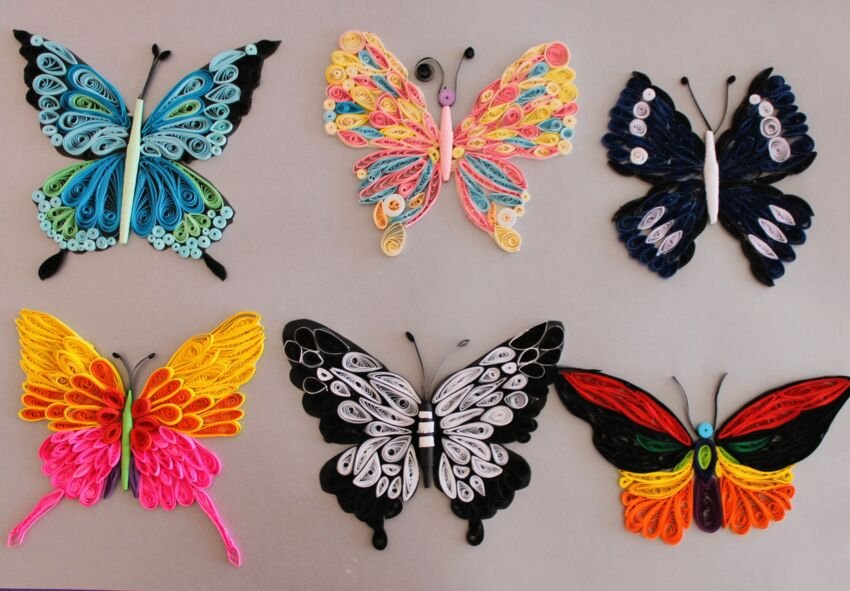
Quilling
Learners' age group: 6 to 18 years old Number of learners: Not less than 8 Duration of classes: 1 class period is 45 minutes, 6 to 8 class periods per week Duration of study: Two years
CONTENTS
Quilling is an unusual and interesting type of handicraft, the essence of which lies in rolling and modeling paper strips a few millimeters wide. Children can engage in quilling starting from the age of 6. First of all, the student gets acquainted with the history of quilling and the tools used. After mastering the tool, the student learns to make simple elements and parts, after which they create more complex elements. Using these prepared paper elements as a base, very interesting compositions can be created. Engaging in quilling develops not only children's fine motor skills, attention, neatness, imagination, and memory, but also provides a great opportunity to realize their creative potential. A refined taste for color combinations is also developed. The form of instruction for quilling is group-based, but the instructor provides an individual approach to each student. Taking into account the students' performance characteristics, tasks of varying degrees of complexity are assigned by the instructor.
FORMS OF INSTRUCTION
Forms of instruction include group work, individual approach, reading, transmission of professional knowledge to peers, watching professional broadcasts, and meetings with artists. Visits to museums and art galleries are organized. At the end of the year, an exhibition is organized showcasing the results of the work done throughout the year.
EXPECTED OUTCOMES
Within the framework of the program, learners must:
-
Master professional quilling skills,
-
Create independently and produce original works of art,
-
Apply acquired abilities and skills in practice,
-
Have an active participation in various events and exhibitions.