Русский
 Հայերեն
 Français
Etiquette and Speech Mastery
Learners' age group: 7 to 18 years old Number of learners: 8 to 15 learners Class load: 6 to 8 class periods per week (set at 8 class periods per week) Duration of classes: 1 class period is 45 minutes, 8 class periods per week Duration of study: Three years
CONTENTS
The world is constantly changing as a result of human activity. The modern world is the consequence of yesterday's practices, while our actions today determine our future. With this awareness, we can help our students today to explore and analyze the processes that influence the shaping of the future. It is necessary to guide them so that they can act consciously and responsibly, contributing to the creation of a better future. The idea of implementing the program was dictated by the awareness of this exact necessity, taking as a basis the fundamental skills needed for the comprehensive formation of an individual. These ensure adaptive, positive human behavior that enables them to effectively cope with the demands and difficulties of everyday life—helping to make informed decisions, solve problems, think critically and creatively, communicate effectively, build healthy relationships, empathize with others, and organize one's life in a healthy and productive way. Life skills can be manifested in actions directed at oneself as well as others. They can also be manifested in actions that impact the environment with the intent of making it more favorable. Through mastery of speech, a person is able to communicate correctly and construct literate, convincing written and oral speech.
FORMS OF INSTRUCTION
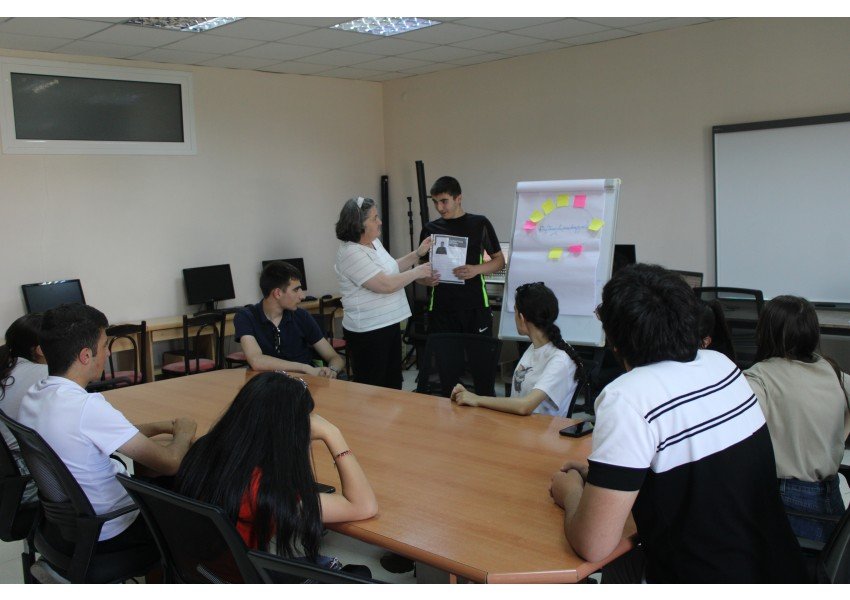
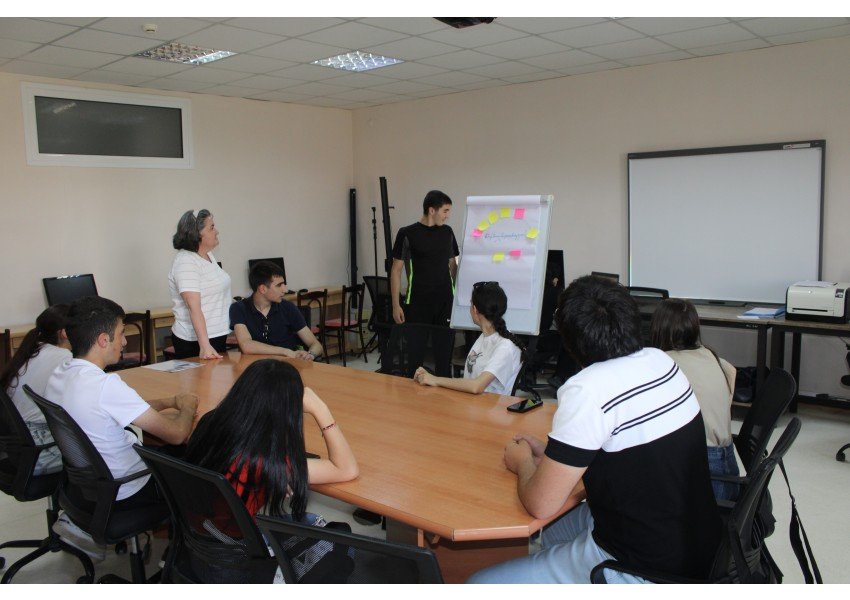
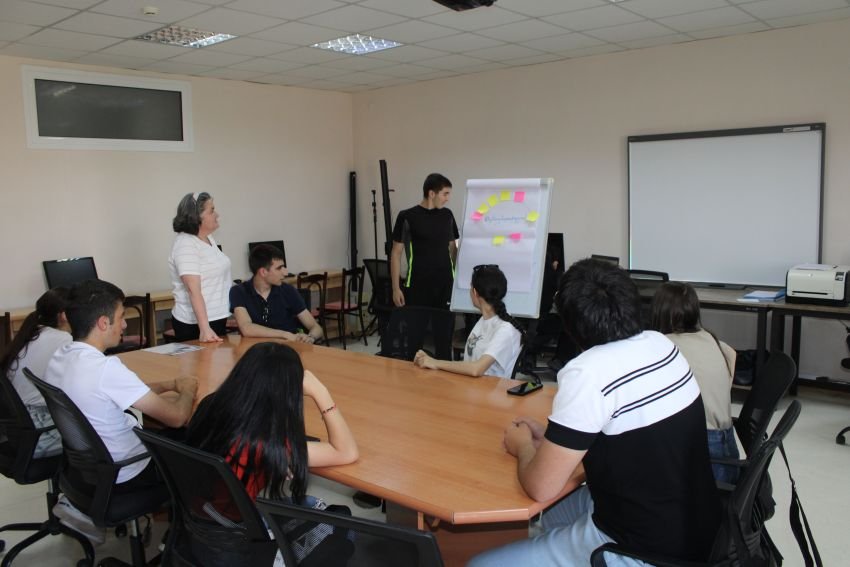
During the learning process, instruction is carried out through group and individual formats by combining theoretical and practical classes.
For newly admitted students, an individual approach is applied through tiered instruction, gradually involving them in the general process.
EXPECTED OUTCOMES
Within the framework of the program, learners must:
-
Have optimism towards the future,
-
Be capable of exhibiting polite behavior,
-
Master the elementary rules of household management, personal hygiene, and a healthy lifestyle,
-
Possess skills in self-awareness, self-expression, self-management, and orientation in rapidly changing situations,
-
Be capable of effective communication,
-
Exhibit generosity and prudence,
-
Be able to navigate and act in non-standard situations,
-
Be dedicated to universal values and moral principles.