Русский
 Հայերեն
 Français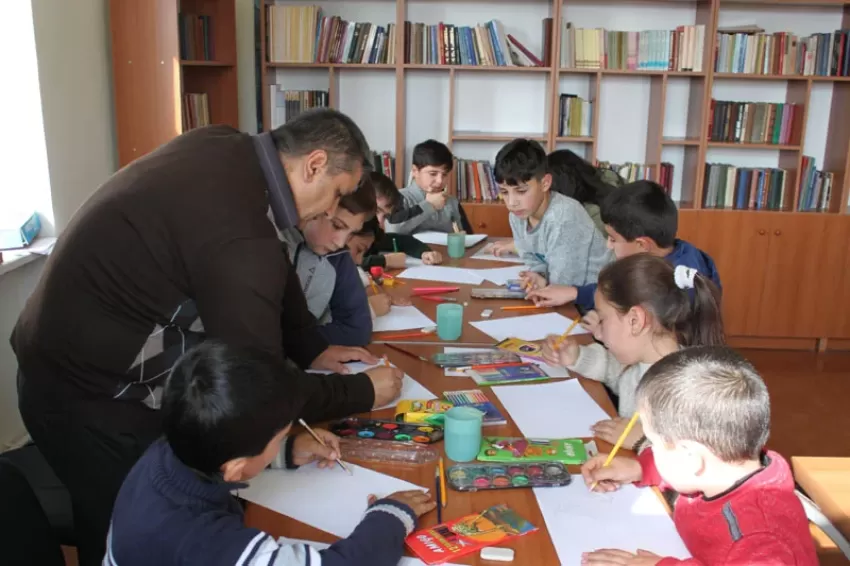
The Conclusion of the “Yntaniq on Wheels” Educational Program
The Conclusion of the “Yntaniq on Wheels” Educational Program
On November 16, the “Yntaniq” Children and Youth Creative Center of the Ministry of Education and Science of the Republic of Armenia concluded the “Yntaniq on Wheels” educational program, which had begun in June.
The aim of the program was to highlight the role of extracurricular education, contribute to its development in communities, support teenagers’ career orientation and the discovery of their abilities, promote and preserve cultural values created in the fields of traditional Armenian arts and crafts, and strengthen ties between extracurricular centers and secondary schools in the communities of the Republic of Armenia and Javakhk.
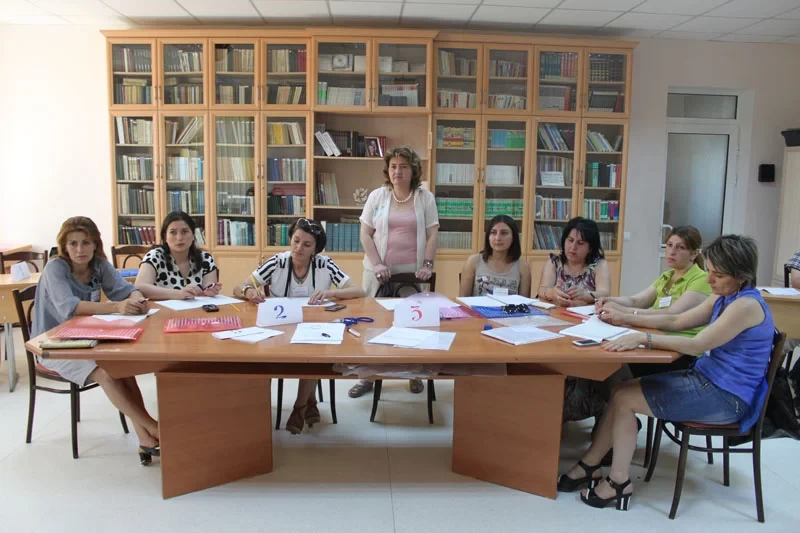
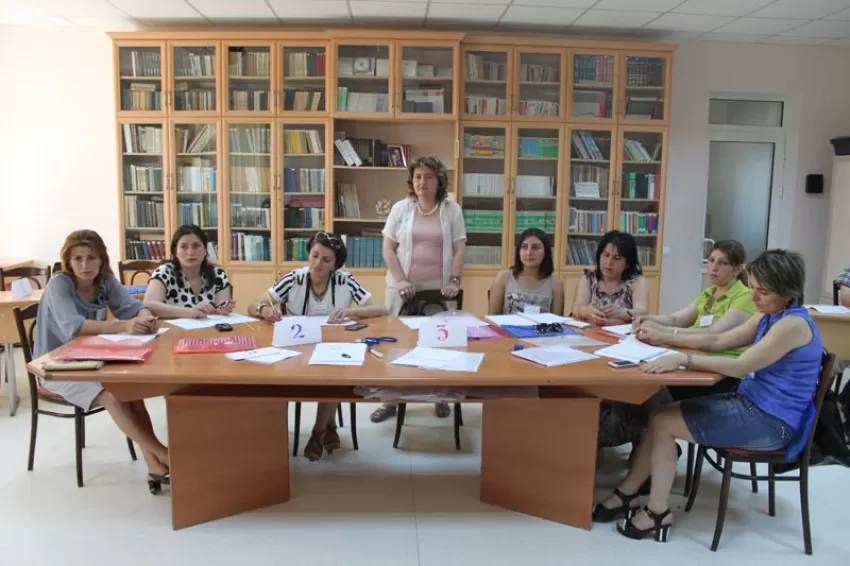
During the first phase of the program, held from June 27 to July 1, training courses were organized for 19 educators from rural communities in Shirak and Armavir Provinces. Through theoretical and practical sessions, the educators became familiar with the importance and challenges of extracurricular education, individualized and differentiated teaching methods, methods for conducting community research and identifying the educational and developmental needs of teenagers, as well as ways to develop educational programs and thematic plans.
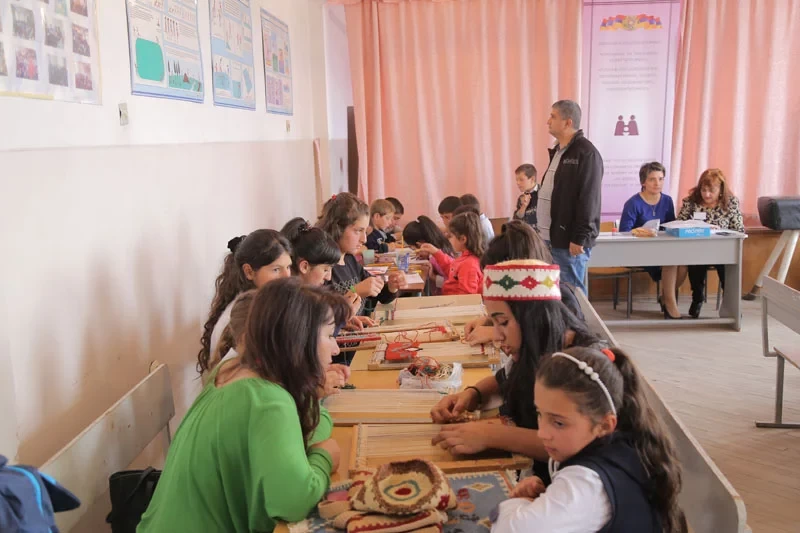
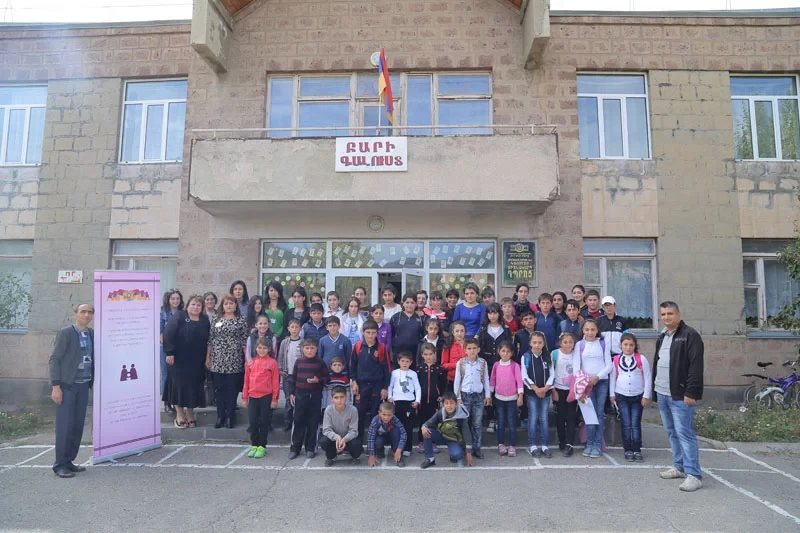
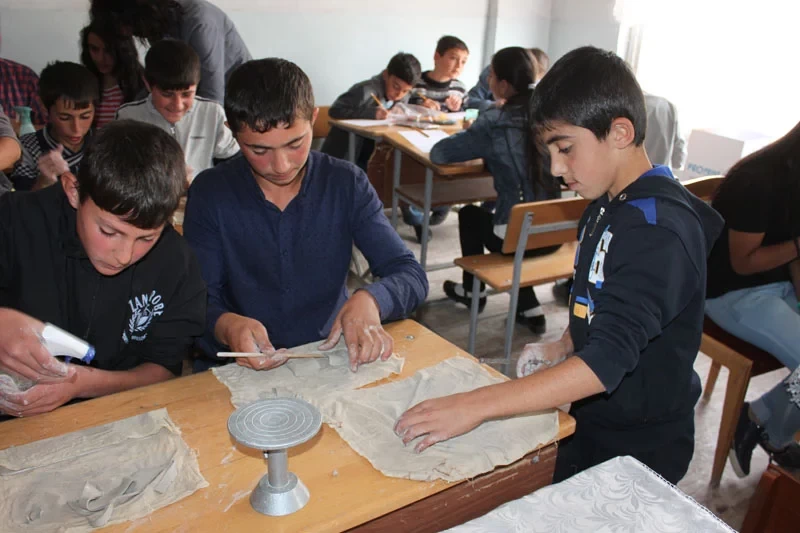
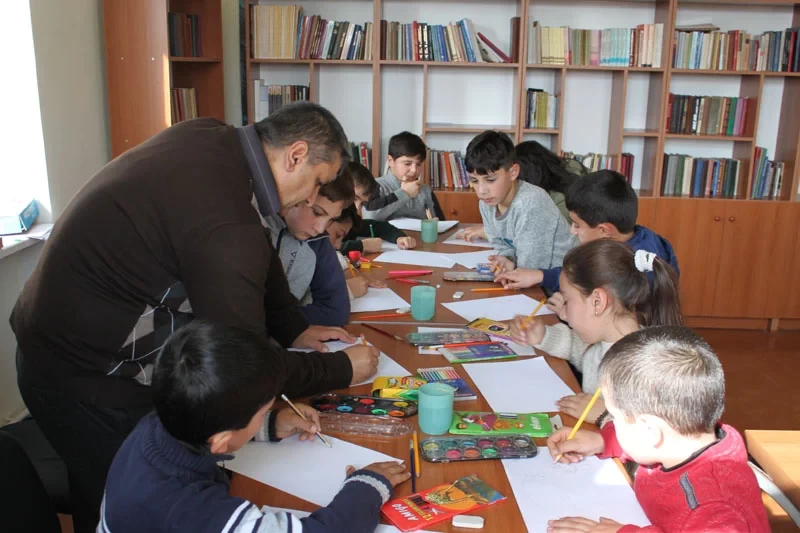
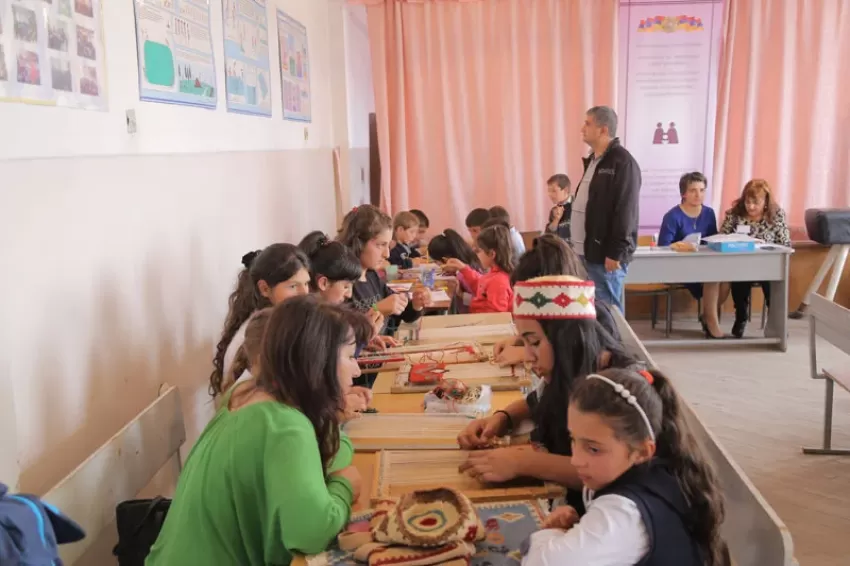
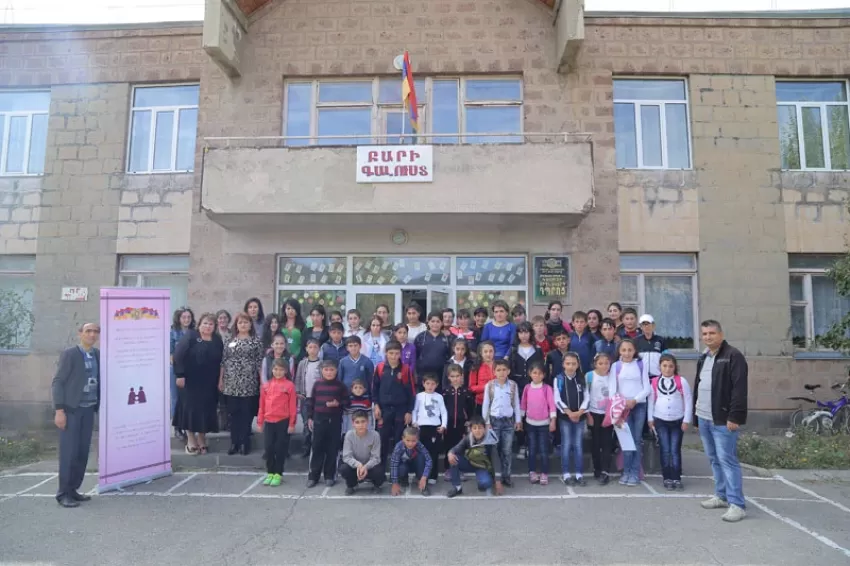
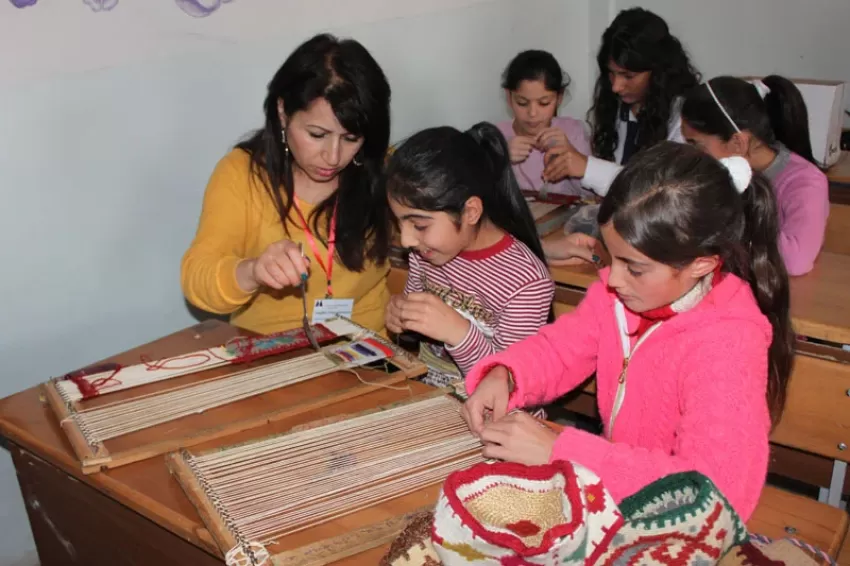
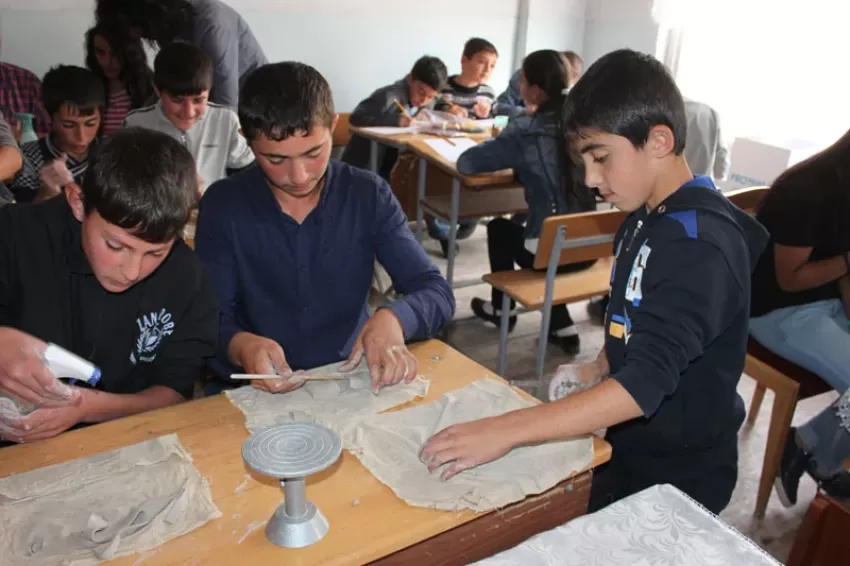
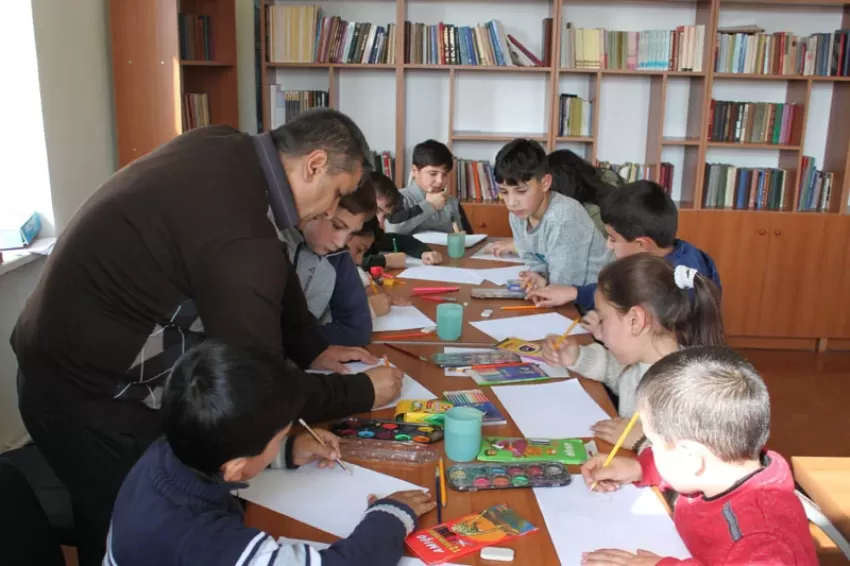
During the second phase, held from October 4 to 31, career-orientation classes were conducted for schoolchildren at secondary schools in the Shirak communities of Benjamin, Kamo, Horom, Nor Kyank, Shirak, Sarnaghbyur, and Saratak, and in the Armavir communities of Karakert and Musaler, as well as at the Armenian Youth Center in Akhalkalaki and the Educational and Cultural Center of Ninotsminda in the Samtskhe-Javakheti region of Georgia.
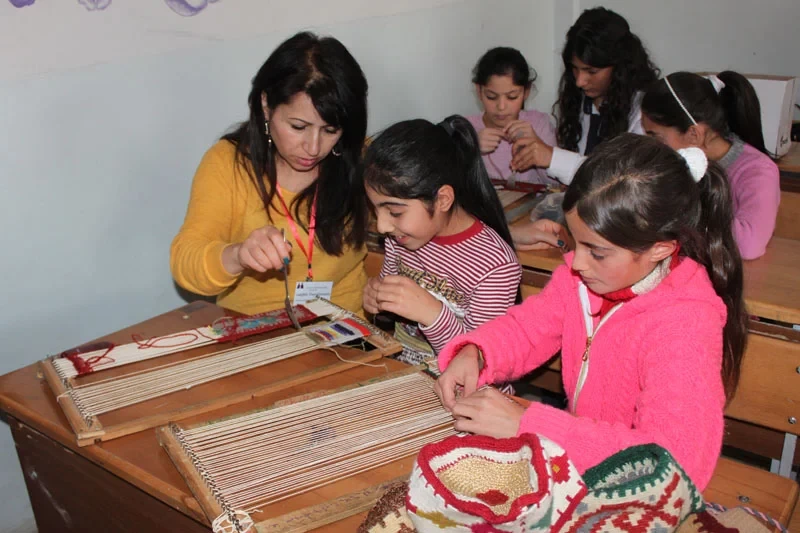
The classes were conducted by educators and talented students of the Center and covered various fields according to the teenagers’ interests and preferences, including pottery, beadwork, silversmithing, painting, rug making, embroidery, dance, woodwork, and radio electronics.
The enthusiasm of the students from the communities was remarkable. They were eager to acquire new knowledge in the fields of arts and crafts, discover their own abilities and potential, and establish permanent clubs in their communities. The feedback provided by the teenagers demonstrated that the program had meaningfully guided them in their career choices and sparked interest in specific professions.
The educators and students of the “Yntaniq” Center were welcomed with particular warmth and enthusiasm at the educational and cultural centers of Javakhk. Karine Tadevosyan, Chairperson of the Board of the Armenian Relief Society of Georgia, emphasized the importance of establishing cooperation between extracurricular centers, noting that communication among young people, the exchange of knowledge and experience, and frequent reciprocal visits could become important factors in preserving Armenian identity and strengthening national identity.
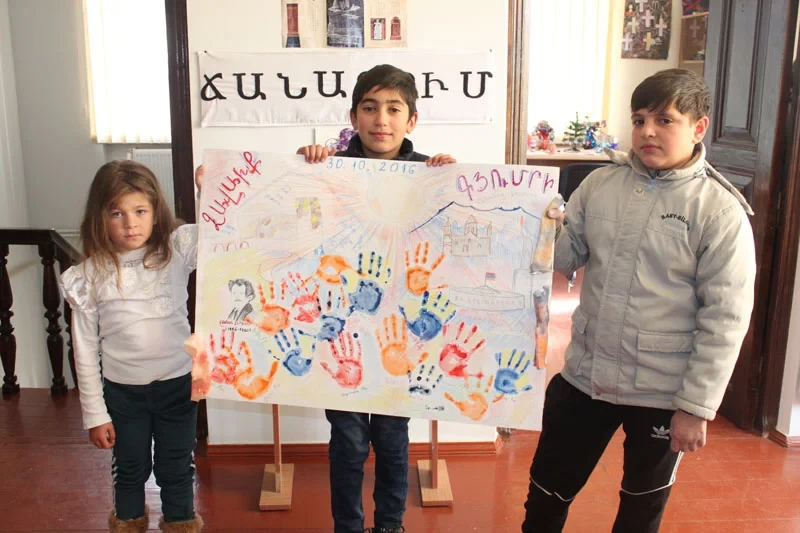
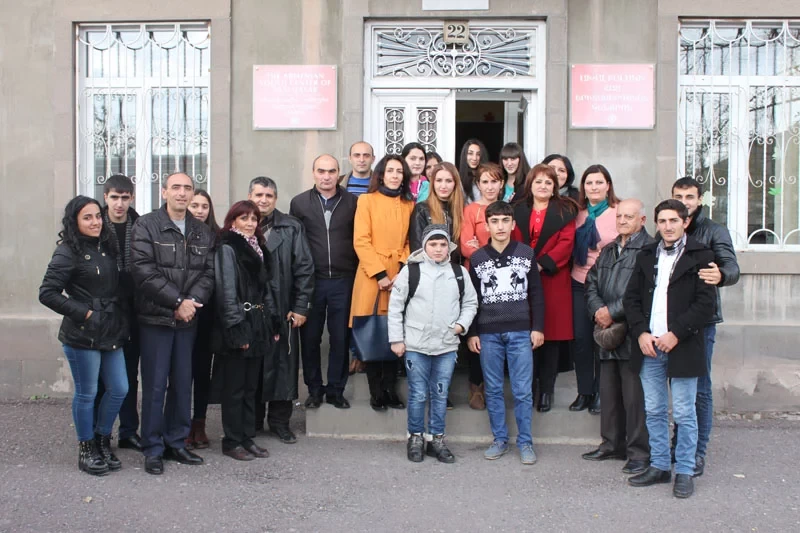
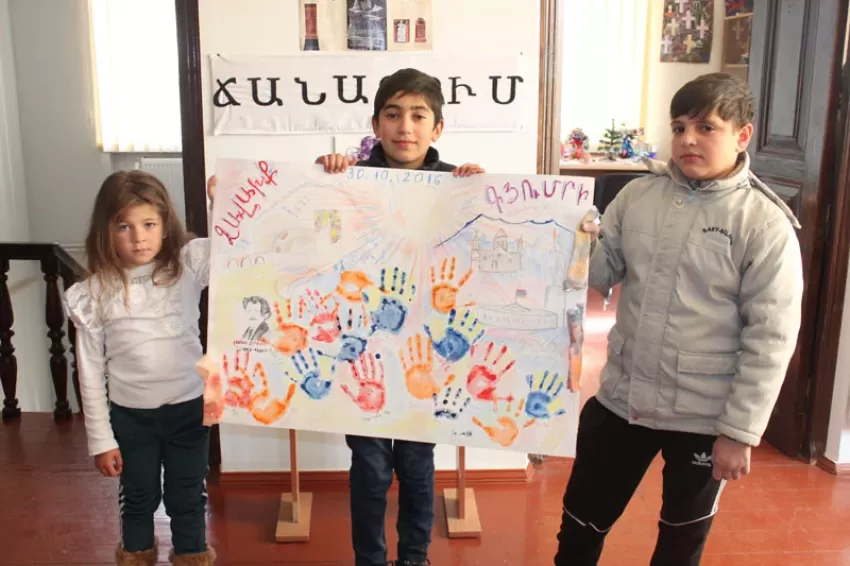
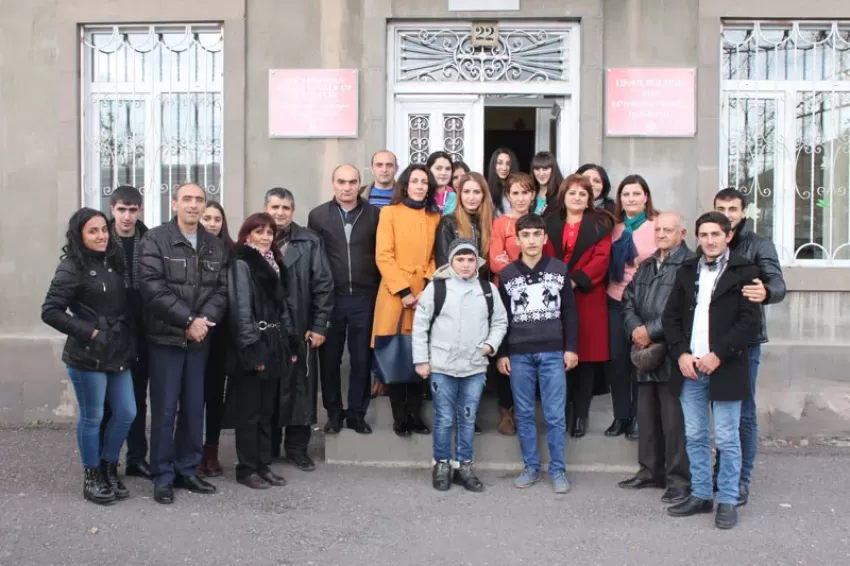
Representatives of the participating communities, educators, parents, and students attended the final exhibition and event held at the Center. The attendees viewed an exhibition of works jointly created by the Center’s students and teenagers from the communities during the career-orientation classes, as well as a summary video presenting the first and second phases of the program.
Summarizing the program, Artur Minasyan, Director of the Center, noted that the written feedback received from the communities carried a strong sense of responsibility. He highlighted the positive impact of the professional clubs established in rural communities of Shirak Province as a result of the program’s implementation in previous years. These clubs have helped discover many talented teenagers who have achieved outstanding results in various international competitions.
As part of the program, A. Minasyan presented certificates of appreciation and prizes to educational institutions from the communities that had cooperated with the Center.
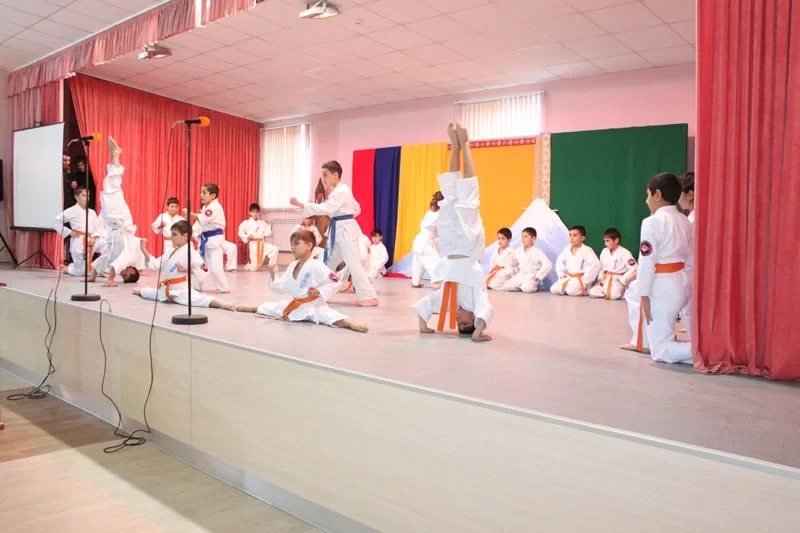
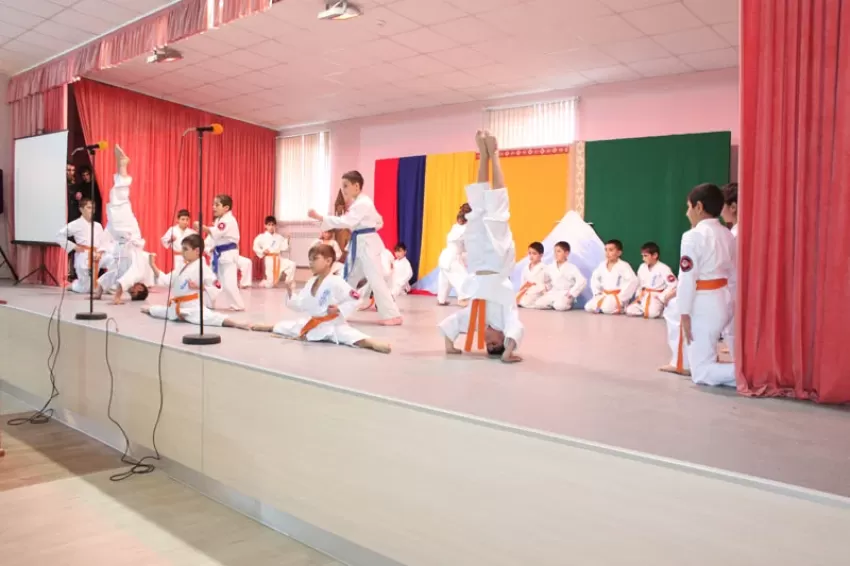
The event concluded with artistic performances by the students of the “Yntaniq” Center and teenagers from the participating communities.
H. Sargsyan