Русский
 Հայերեն
 Français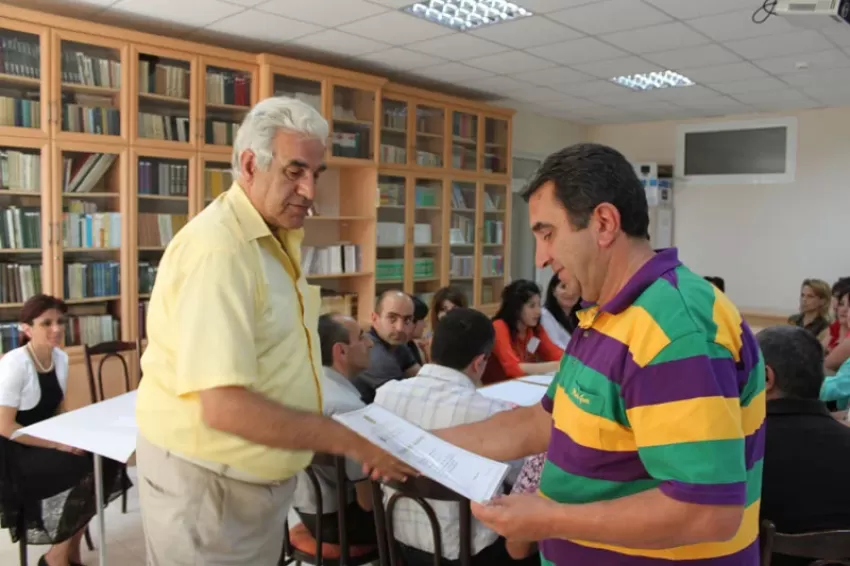
“Yntaniq” on Wheels
“Yntaniq” on Wheels
The first phase of the “Yntaniq on Wheels” program was implemented at the “Yntaniq” Children and Youth Creative Center of Gyumri under the Ministry of Education and Science of the Republic of Armenia from July 1 to 11, 2015. During this phase, training courses were conducted for 20 specialists from rural communities of Shirak Province and Javakhk.
The aim of the program was to highlight the importance of extracurricular education, support the establishment of professional educational groups in traditional Armenian crafts and arts within communities, and contribute to the career orientation and skills development of teenagers living in rural areas.
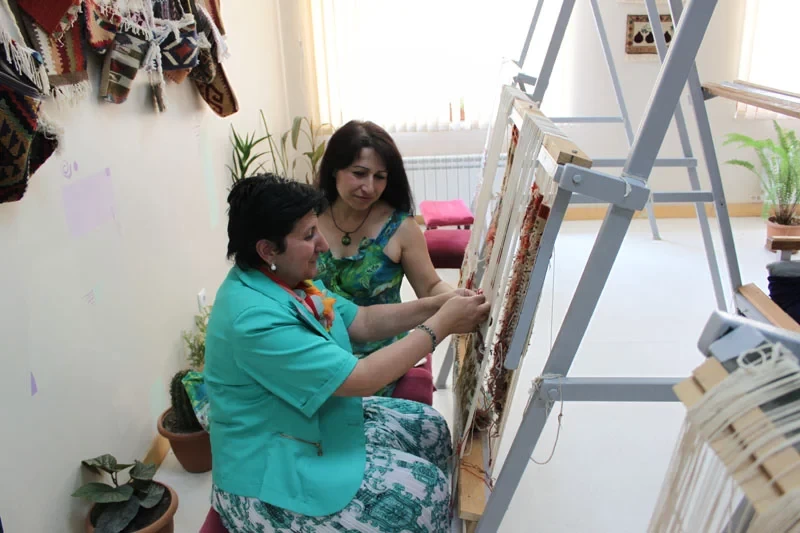
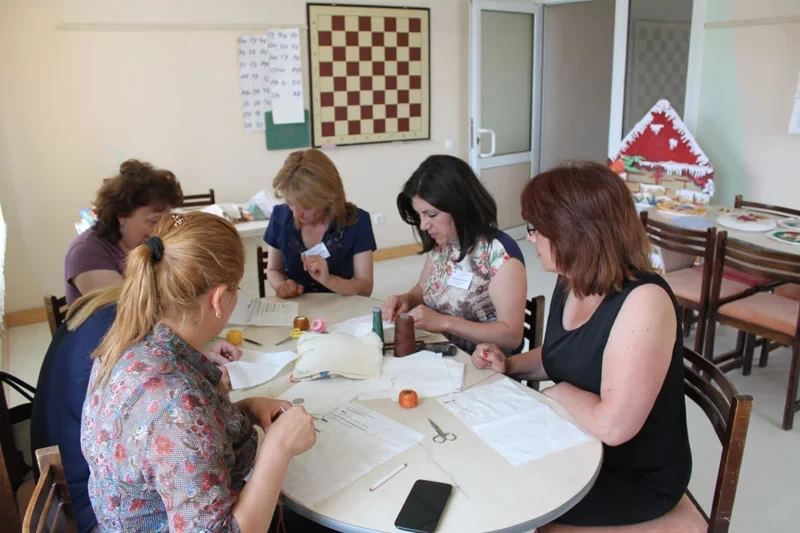
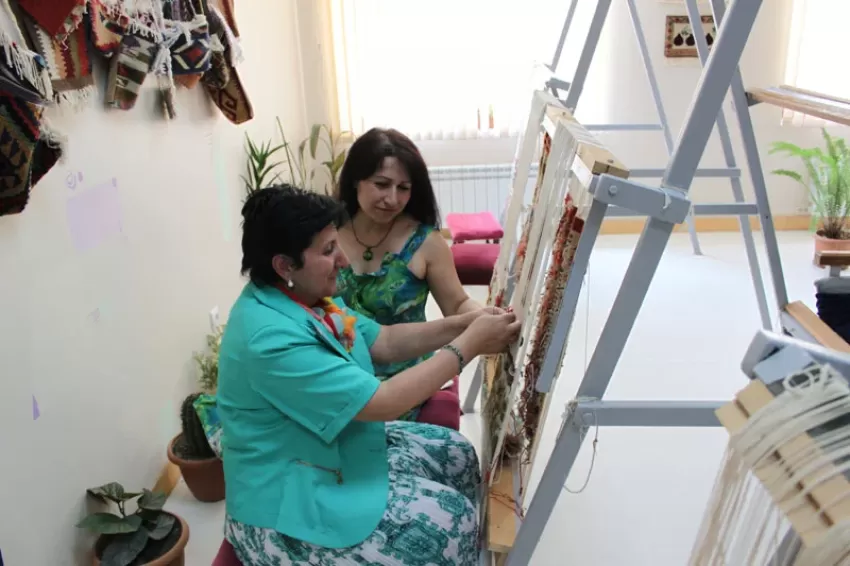
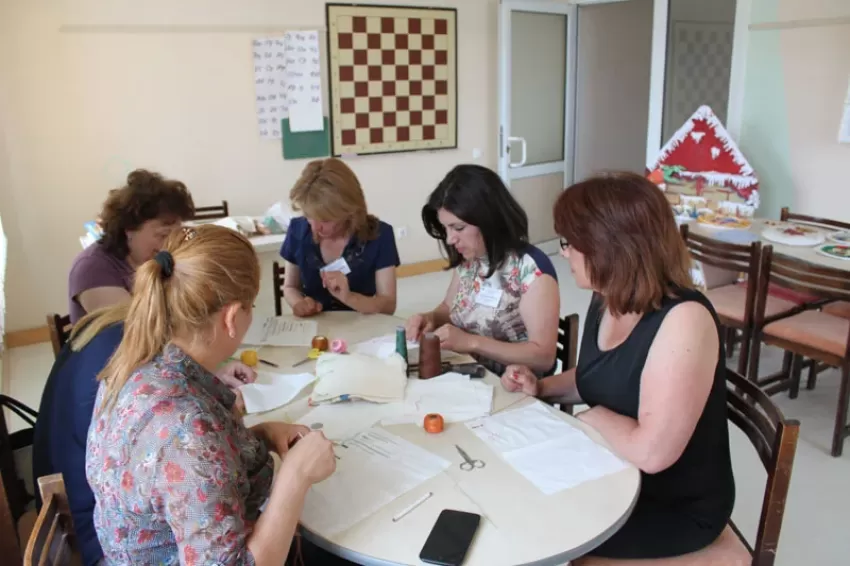
The training was conducted through a combination of theoretical and practical instruction. The practical activities organized within the professional groups were particularly effective, enabling educators to acquire knowledge and skills in teaching professions relevant to the specific needs of their communities.
During the training, participants discussed methods for conducting community research and identifying local needs, as well as teaching methodologies. Particular importance was placed on the specific features of developing professional educational programs and thematic plans. The importance of individualized and differentiated instruction in the extracurricular education process was also discussed.
The results of the training courses were summarized during a round-table discussion jointly organized by the participating trainees and the educators of the “Yntaniq” Center. Through questionnaires, the participating educators shared their impressions and recommendations. They emphasized the need to organize similar training courses, expressing hope for the continuation of the program and the establishment of professional groups in local communities.
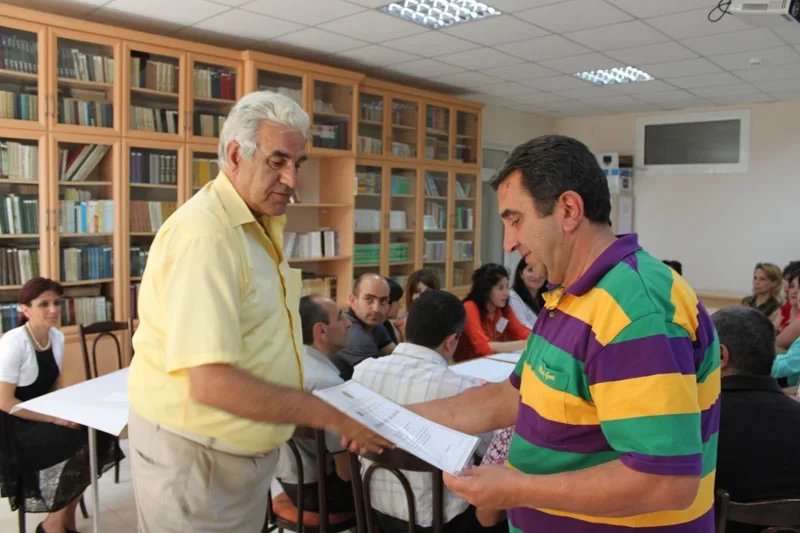
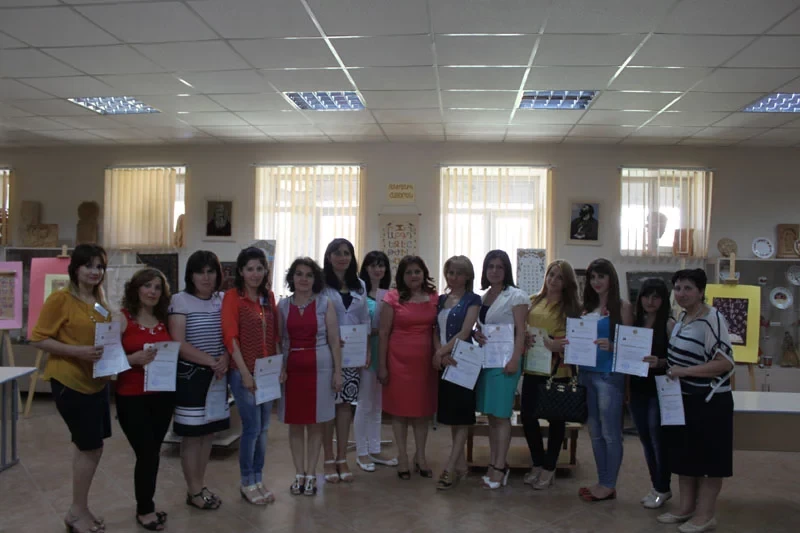
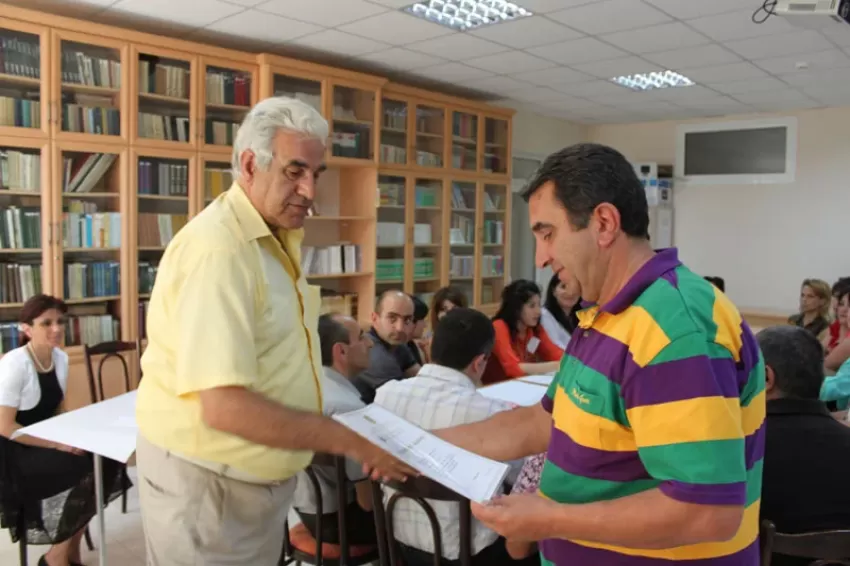
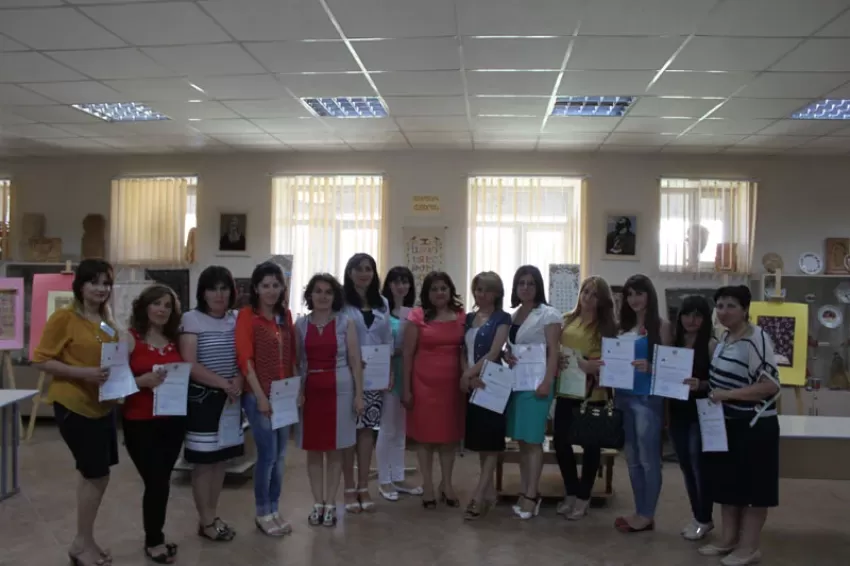
The Director of the Center, Artur Minasyan, thanked the participating educators and presented them with certificates of participation in the training courses.
The educators were highly enthusiastic. They emphasized the importance of implementing similar educational and training programs, which would contribute to the preservation of traditional Armenian arts and crafts in rural communities and help ensure meaningful and purposeful engagement for teenagers.
H. Sargsyan