Русский
 Հայերեն
 Français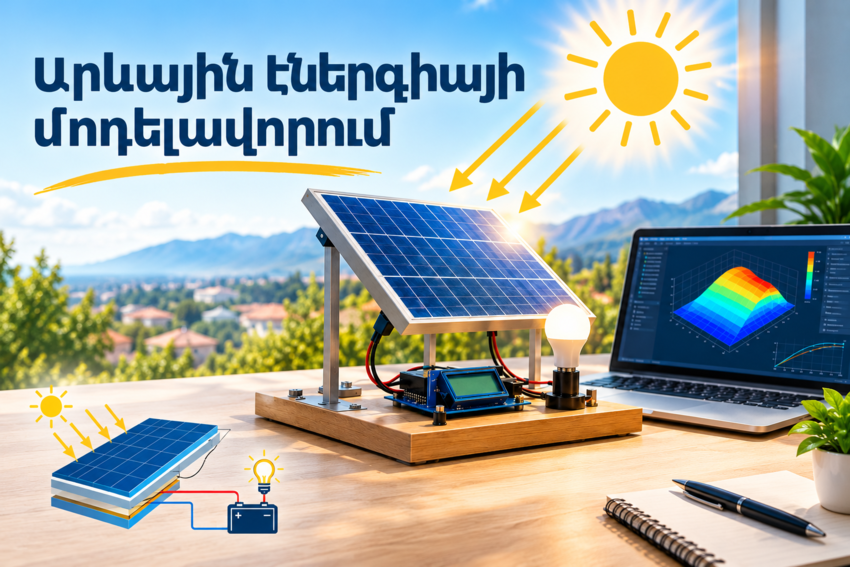
Solar Energy Modeling
Learners' age group: 12 to 18 years old Number of learners: Not less than 12 learners Volume of classes: 6 to 8 class periods per week Duration of classes: 1 class period is 45 minutes, 6-8 class periods per week Duration of study: Three years
CONTENTS
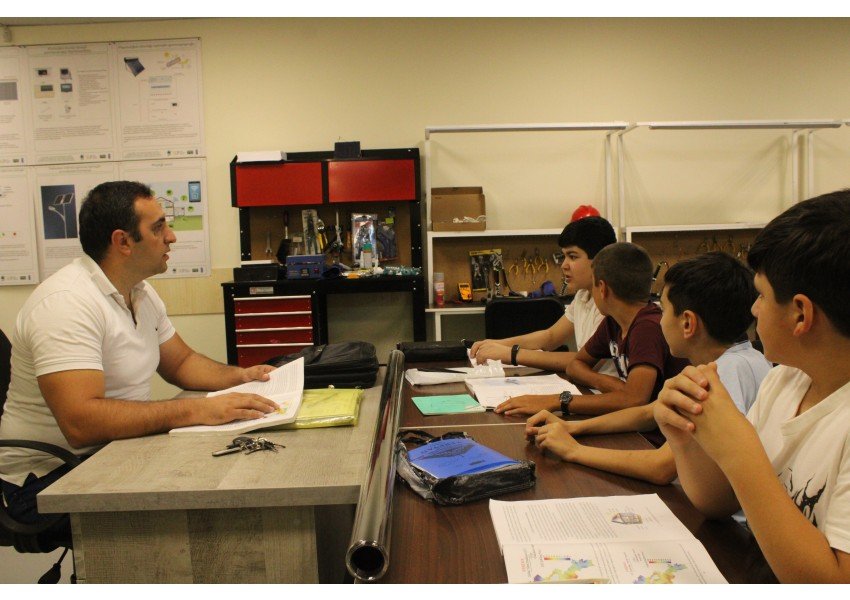
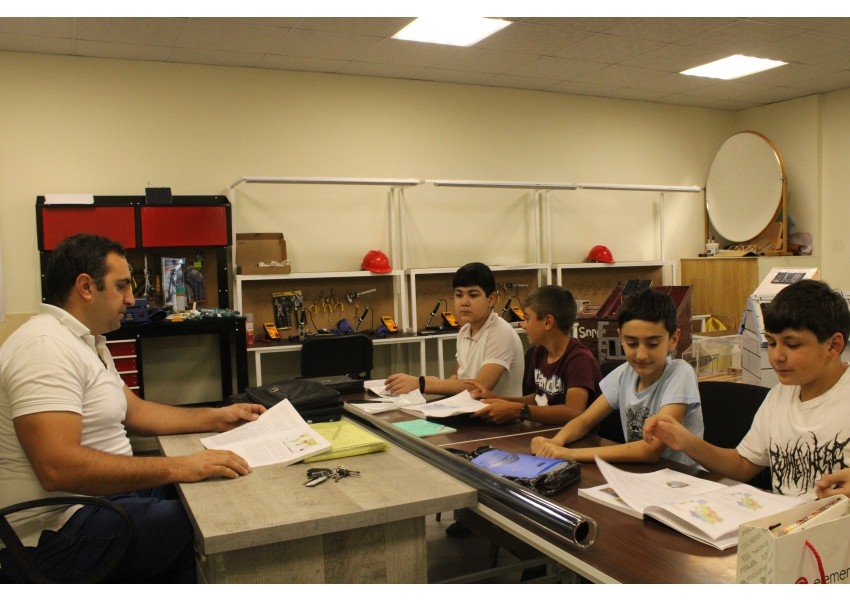
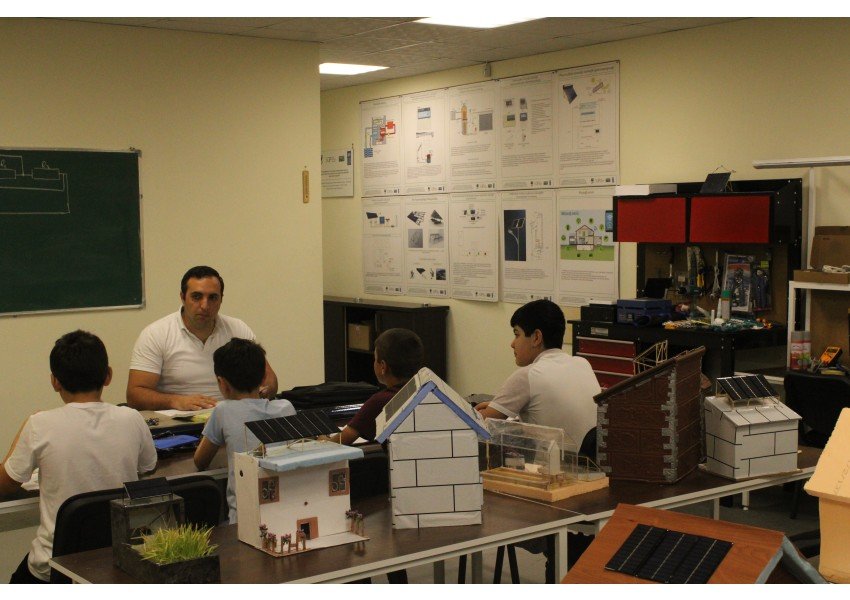
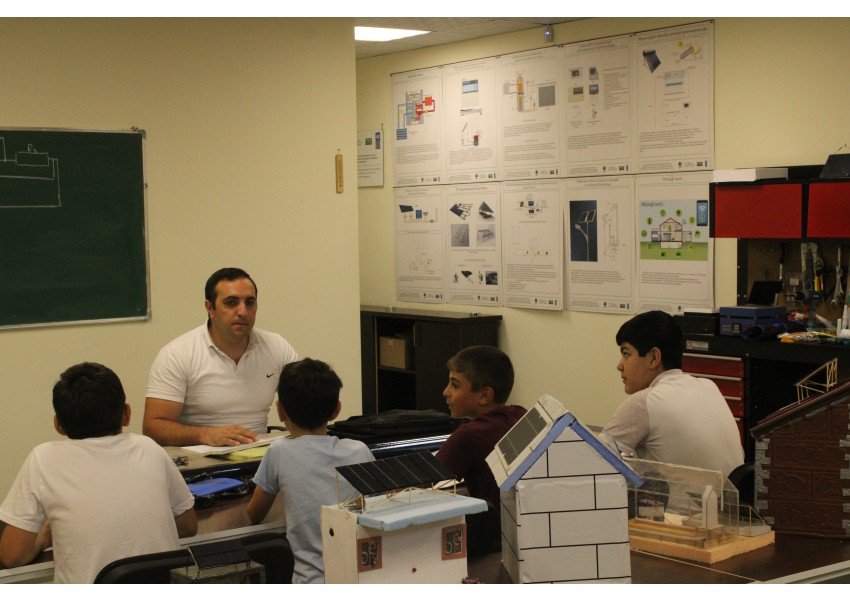
Energy received from the sun is inexhaustible, and its efficient use provides endless opportunities for humanity. Solar energy is one of the important types of renewable energy sources. In the club, students learn about energy use, the structure and operating principle of solar thermal energy converters, the laws governing electrical circuits, basic electrical quantities, and their measurements.
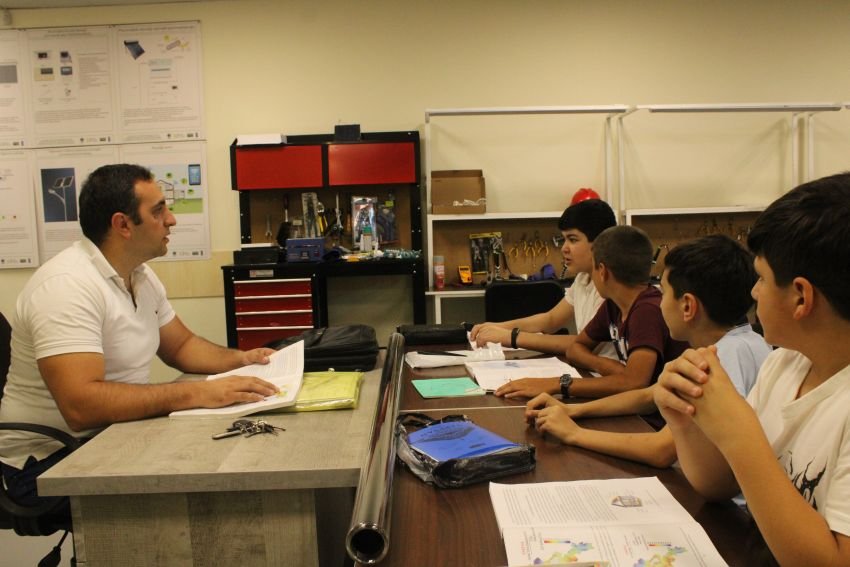
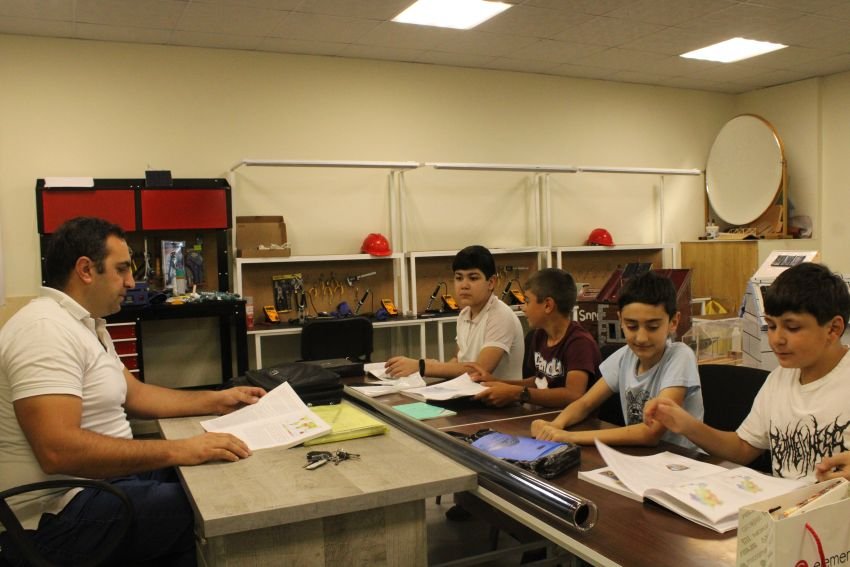
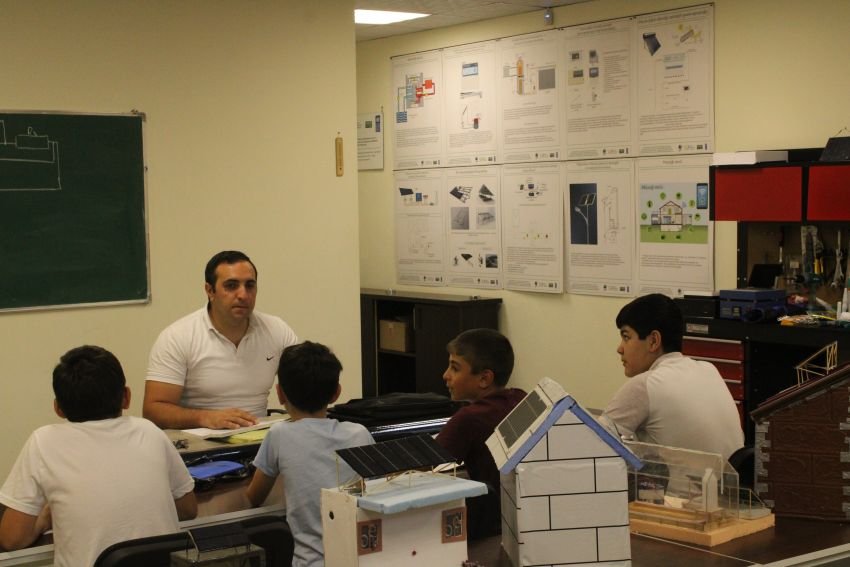
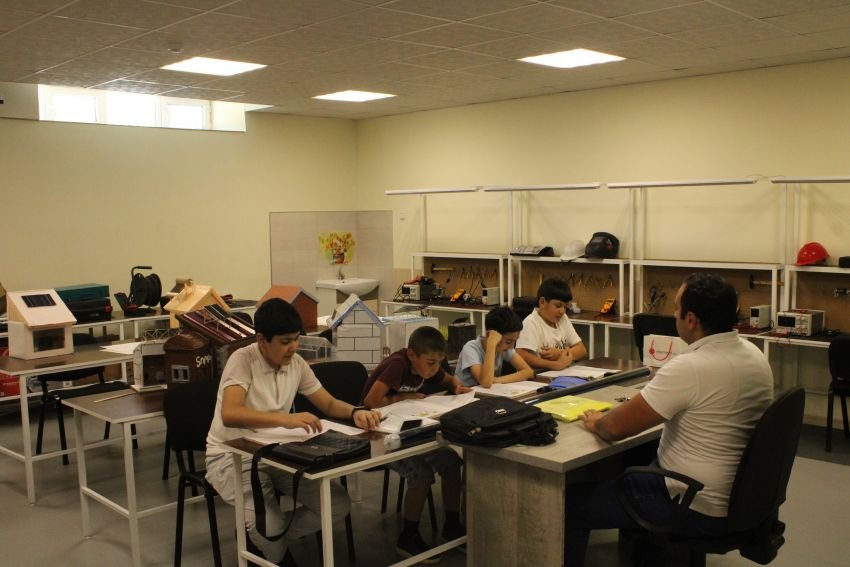
Students will be taught how to perform safety diagnostics and monitor the operational characteristics of solar panels; control the general condition and stability of supporting structures (mounts, frames, screw connections); research and improve the productivity of solar power plants; and carry out installation, commissioning, and alignment work at appropriate intervals. According to a set schedule, students will wash solar modules to ensure cleanliness, check the position of solar panels relative to the sun, and eliminate shadows and module position deviations caused by various factors (such as vibrations or loosened fastening points). They will evaluate the need for emergency maintenance work. Throughout the learning process, students will develop abilities and skills related to the maintenance of solar power plants, and will reinforce and deepen their knowledge of natural science subjects, which they will also apply in practice.
FORMS OF INSTRUCTION
Instruction is carried out through a combination of theoretical and practical classes.
The course emphasizes the organization of educational work, conducting discussions, viewing thematic programs, excursions, visits to technological centers, locations of solar electric and thermal power plants, the transfer of professional knowledge, conducting open classes, and knowledge testing. The club may include students admitted at different times, therefore a differentiated approach is provided to each student, tailored to their individual capabilities, interests, inclinations, abilities, health status, and attendance period.
The educator identifies the student's practical capabilities and understands the limits of their abilities.
EXPECTED OUTCOMES
Within the framework of the program, learners must:
-
Have knowledge of the descriptions of electrical devices and the features of organizing work in educational and professional workshops,
-
Master the stages of executing the renewable energy process,
-
Be able to correctly use drawings and conventional symbols,
-
Master the fundamentals of measurement,
-
Detect faults using measuring instruments,
-
Be able to read and use reference manuals,
-
Possess the ability to connect solar panels and direct current accumulators,
-
Perform mechanical installation and commissioning of equipment.