Русский
 Հայերեն
 Français
Media Literacy
Learners' age group: 13 to 18 years old Number of learners: Not less than 8 Duration of classes: 1 class period is 45 minutes, 8 class periods per week Duration of study: Two years
CONTENTS
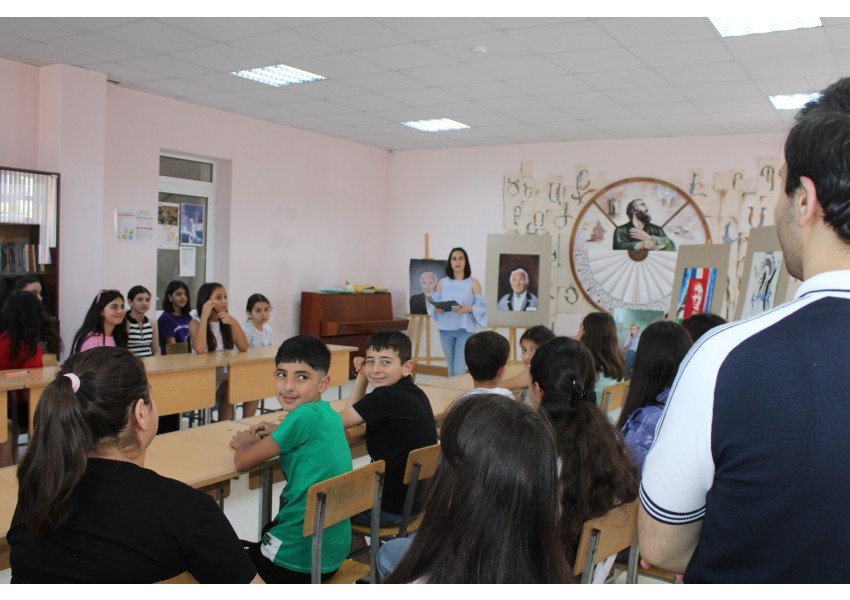
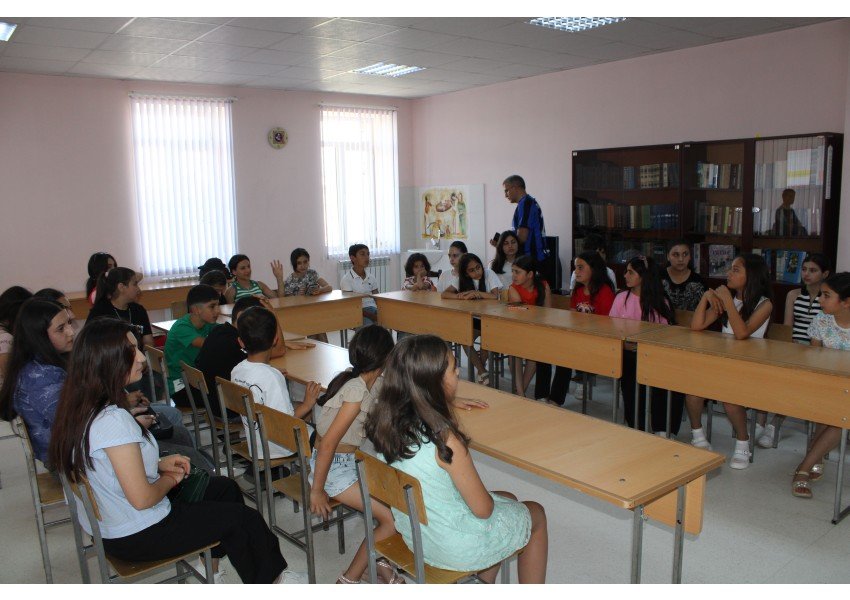
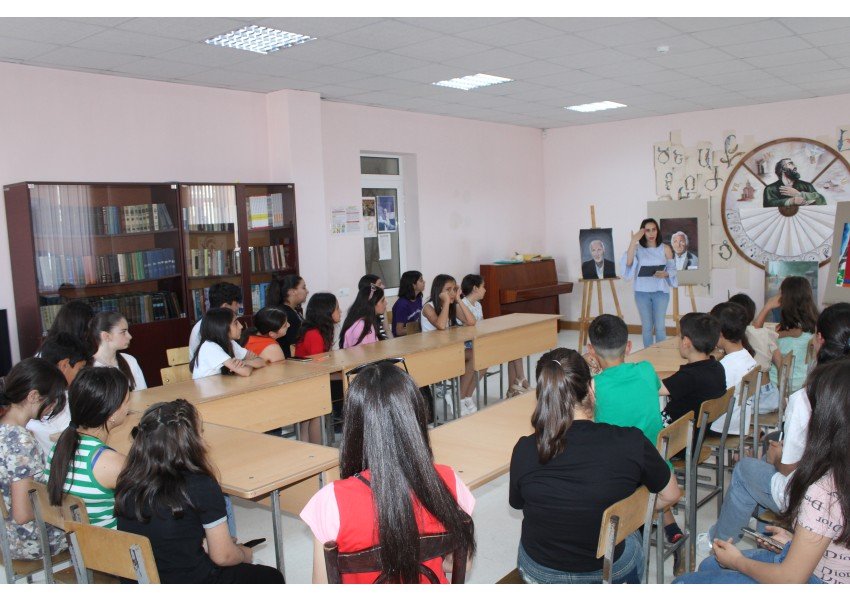
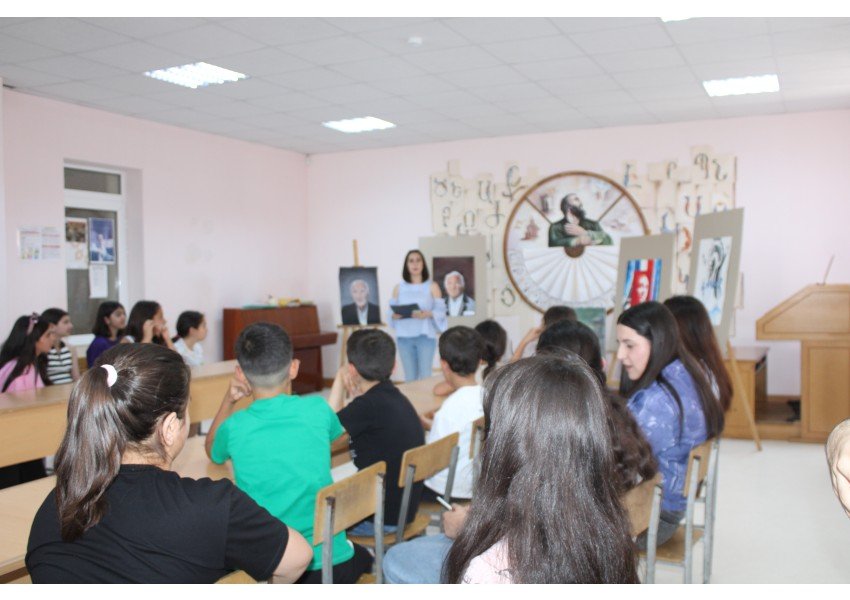
The club creates an environment and opportunity for students to better understand the media field. Students learn to critically analyze, evaluate, and verify media messages, as well as create and distribute news, turning what they have learned into media materials.
An opportunity is provided to ensure a larger audience for topics such as critical thinking and analysis, verification of misinformation, the component of media material creation, and cooperation with reliable, ethical, and high-quality media outlets or journalists. Classes will include screenings and discussions of films about journalism, freedom of speech, and the media.
It is important to establish a newspaper/blog/podcast or YouTube channel throughout the year narrating the daily life of the center's clubs, which will be managed by the club's students themselves. They will create educational, informational, cognitive, and entertainment materials, and also discuss serious and acute issues.
Media is not merely an environment for the circulation of information; it shapes public opinion and influences the behavior, decisions, worldview, and preferences of people, especially children and adolescents. News consumers must be armed with appropriate knowledge to navigate correctly in the information field.
Media education classes will be conducted in three stages. In the first stage, the consumer realizes that a "media diet" is a necessity—that the time spent in front of the television or computer screen must be limited, and computer games or magazines browsed less.
In the second stage, the student begins to approach the media critically and learns to analyze the work of mass media, their message, and the information transmitted.
The third stage implies a deeper analysis: Who prepares the media "product" that we consume? What purpose do the producers pursue? To whom is the message addressed? Who benefits from all this? Who suffers? That is, we subject what we see, hear, and read to socio-economic-political analysis.
FORMS OF INSTRUCTION
The program is implemented through a process of theoretical and practical classes: following the daily news feed, content study of news and social sites, study of analytical, research materials, and social networks.
During the course, interviews, research, creation of infographics and audiovisual materials on various themes are applied: creation of an educational cognitive resource on the topic of media literacy (game, show, newsletters, series of videos or podcasts), preparation of journalistic materials on any community topic (e.g., road malfunctions, garbage collection, school renovation, youth leisure, employment issues), study and monitoring of the work of one or more mass media outlets, television companies, or radios, resulting in the preparation of a letter addressed to that mass media outlet containing students' observations, proposals, and analysis, as well as a meeting with that media outlet.
EXPECTED OUTCOMES
Within the framework of the program, learners must:
-
Recognize media and its diverse applications, and be able to describe and explain its role in their own and others' lives,
-
Be able to present the impact of media in history, and distinguish types, chains, and models of communication,
-
Be able to write, read, and analyze texts, and conceptualize the role of the print press,
-
Differentiate social network platforms, their peculiarities, and age restrictions, and evaluate their risks and opportunities,
-
Be able to use networks for the public good, education, and communication,
-
Be able to explain who a journalist is and what their mission is,
-
Be able to distinguish journalistic work from social network and blog publications, and evaluate the role of independent and quality journalism in society.