Русский
 Հայերեն
 Français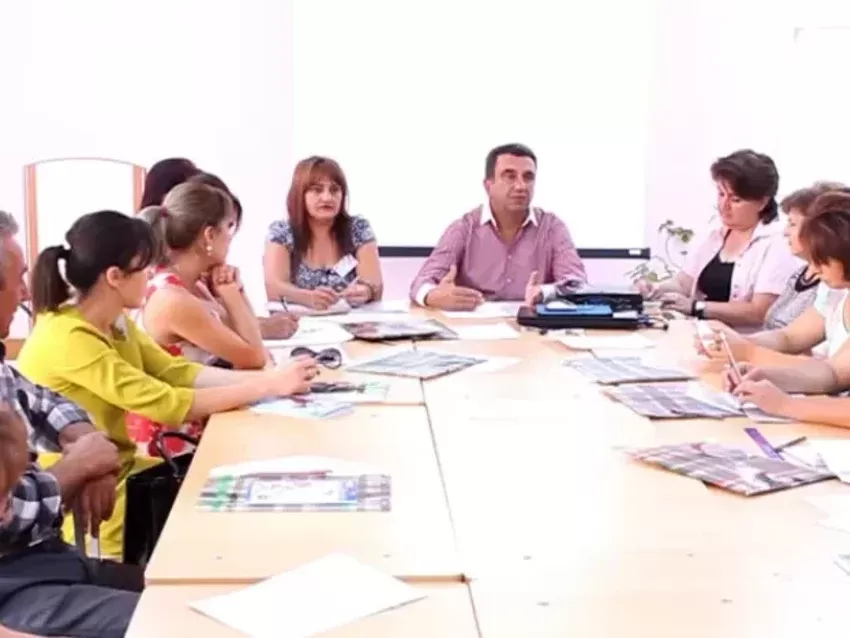
Summary of the “Yntaniq on Wheels” Educational Program
Craftsmanship Is a Gold Ring: Wherever You Go, It Goes with You
The “Yntaniq” Children and Youth Creative Center under the Ministry of Education and Science of the Republic of Armenia implemented the second phase of the “Yntaniq on Wheels” educational program from September 11 to 15.
It should be noted that the program was launched back in May, covering 14 mountainous and border villages of Shirak Province, as well as educational and cultural institutions in Javakhk. Career guidance classes in various fields of crafts and arts were organized for adolescents in these communities.
The program aimed to emphasize the importance of extracurricular education, identify preferred professions in the fields of crafts and arts in rural communities, promote their dissemination and preservation, guide adolescents in their career choices, help identify and develop their abilities, and strengthen cooperation among educational and cultural institutions in different communities.
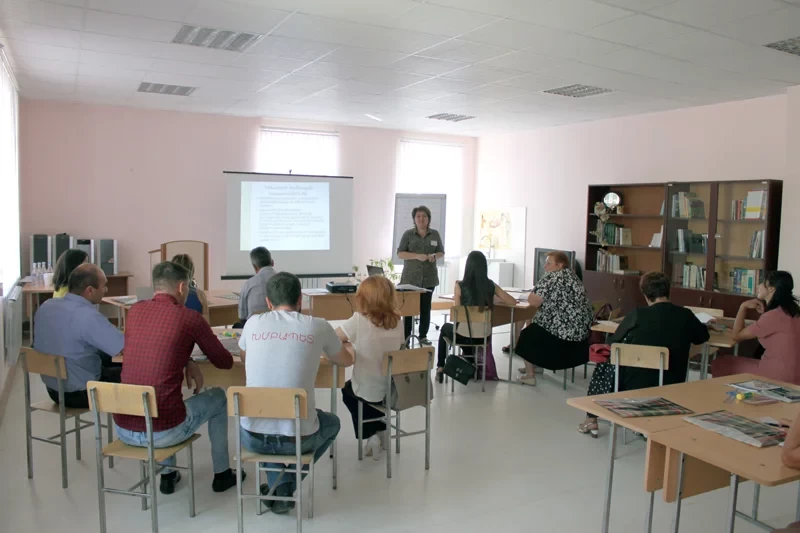
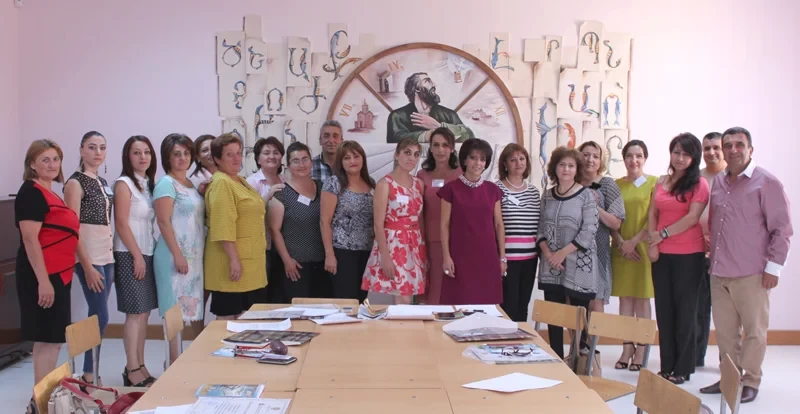
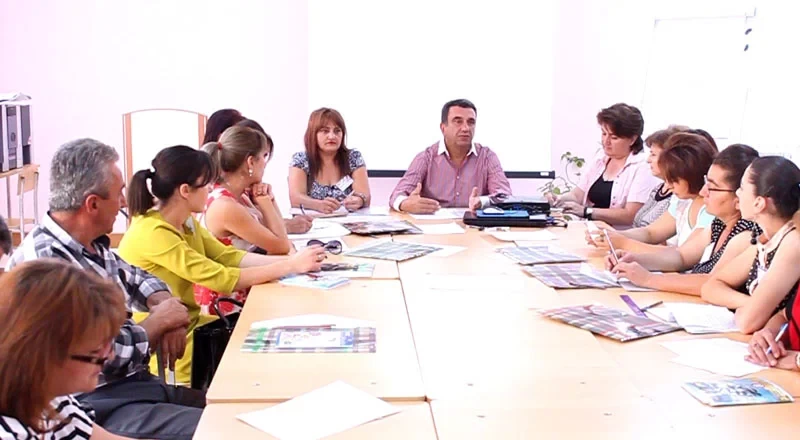
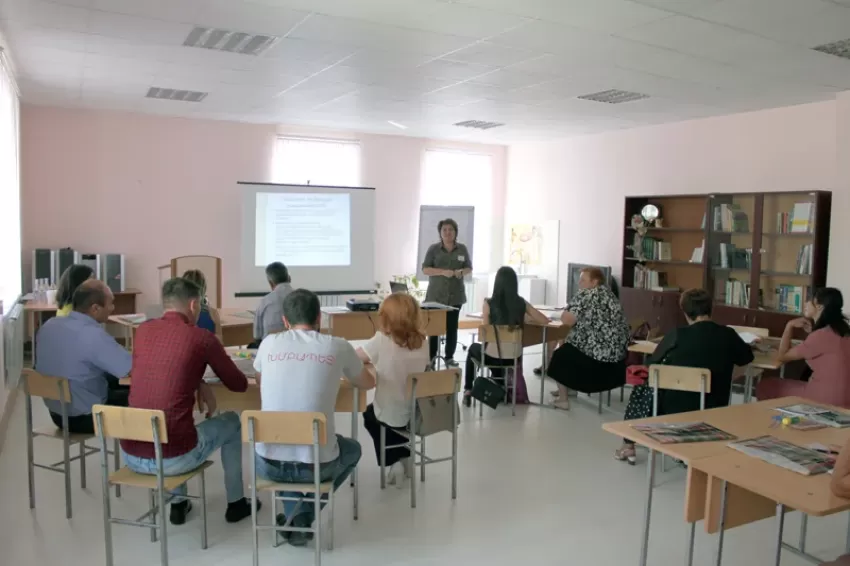
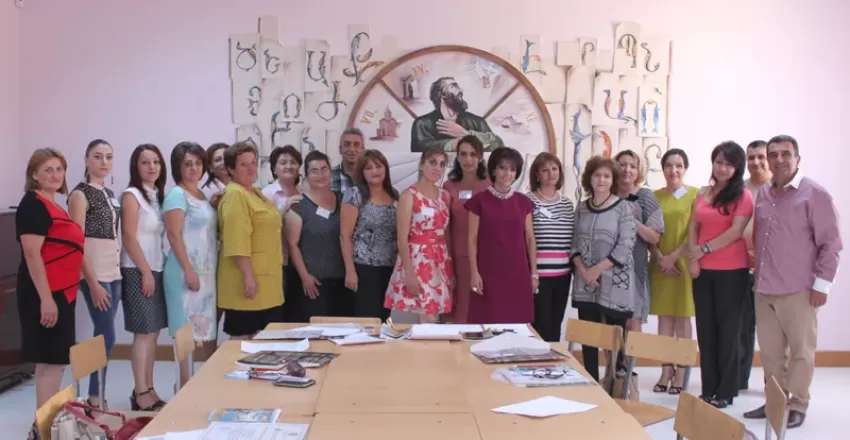
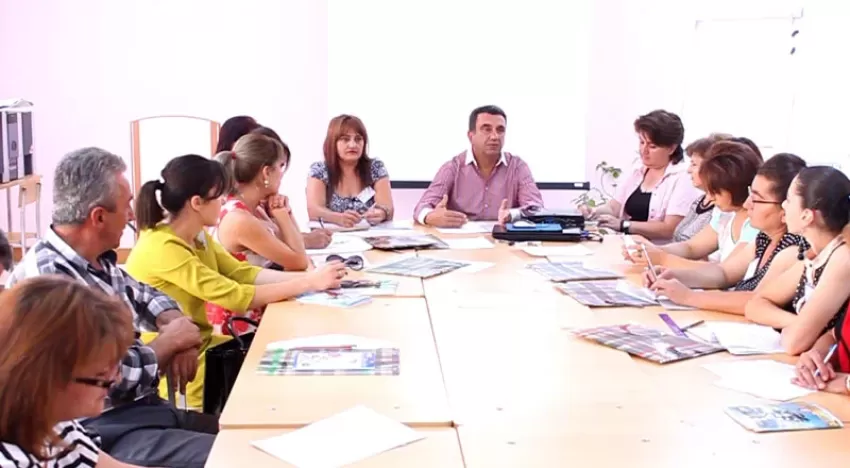
During the second phase of the program, 20 educators from the Shirak Province communities of Arevshat, Getap, Anushavan, Geghanist, Spandaryan, Qaraberd, Dzitankov, Sarakap, Mets Sepasar, Krasar, Ghazanchi, Sizavet, Bavra, and Tavshut, as well as from the educational and cultural centers of Akhalkalaki and Ninotsminda, participated in training courses on extracurricular education.
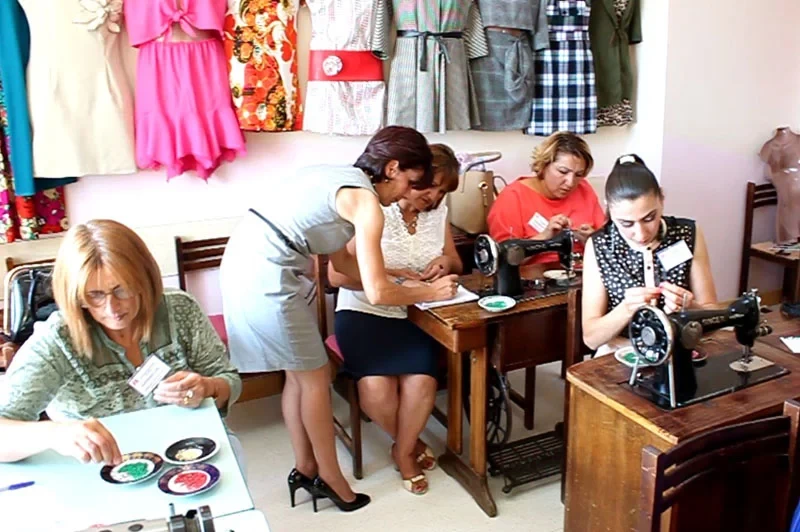
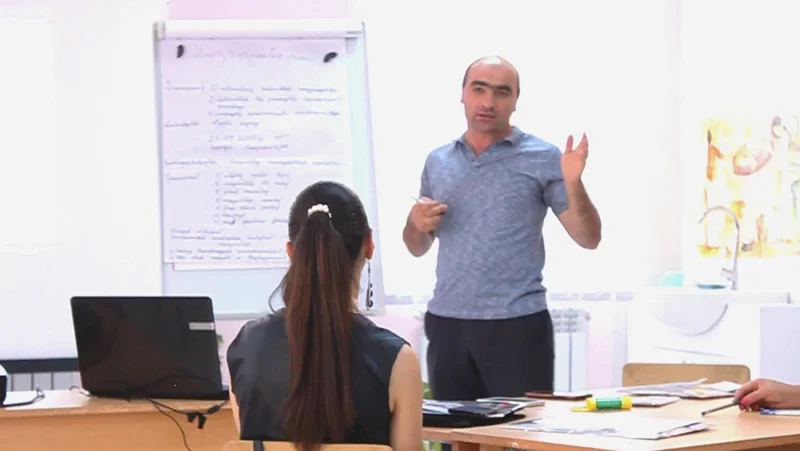
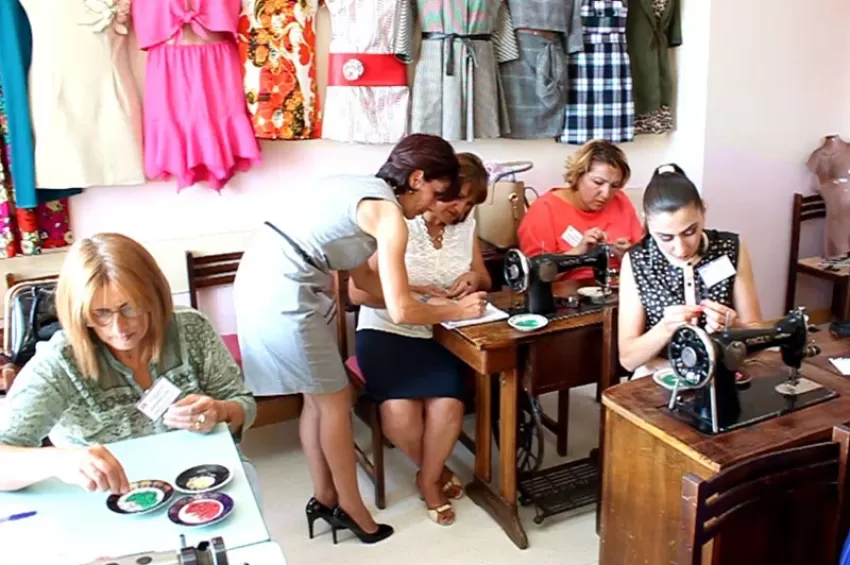
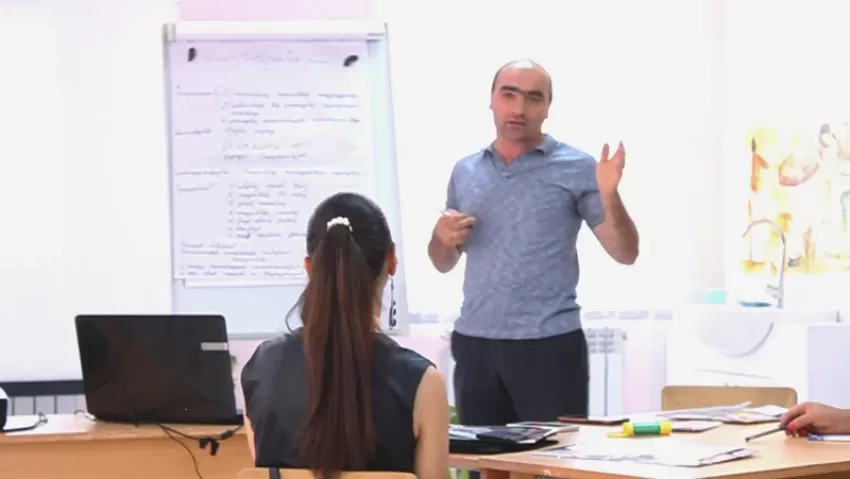
During the training sessions, the educators explored the following topics: “The Importance and Challenges of Extracurricular Education for Adolescents,” “Methods for Conducting Community Research and Identifying the Educational and Developmental Needs of Adolescents,” “Specific Features of Developing Vocational and Educational Work Programs,” and “The Importance of Individualized and Differentiated Teaching in the Extracurricular Education Process.” They also became acquainted with the activities of the professional groups operating at the Center.
Through group activities and by applying the knowledge they acquired, the participants identified the key challenges facing their respective communities, the need to teach preferred professions, and prospects for their further development.
The results of the training courses were summarized during a round-table discussion attended by the administration and educators of the “Yntaniq” Center. During the joint discussion, the educators shared their impressions and recommendations.
Gohar Torosyan, an educator at the Spandaryan Secondary School, concluded her remarks by saying: “Thank you for everything. The work with the trainer A. Mkrtchyan and Deputy Director S. Petrosyan was well-organized and effective. The program will truly contribute to the dissemination and preservation of cultural values created in the fields of national crafts and arts in the communities. It will also contribute to adolescents’ self-expression, provide them with an opportunity to assess their abilities, and support their career orientation.”
Suzanna Hovhannisyan, Deputy Director for Specialized Educational Support at Mets Sepasar Secondary School, noted: “I wish the training sessions had continued a little longer so that I could gain more experience and skills. Since children in rural communities do not have many opportunities to engage in cultural or other social activities, I would very much like them to become involved in your productive and socially beneficial work as well.”
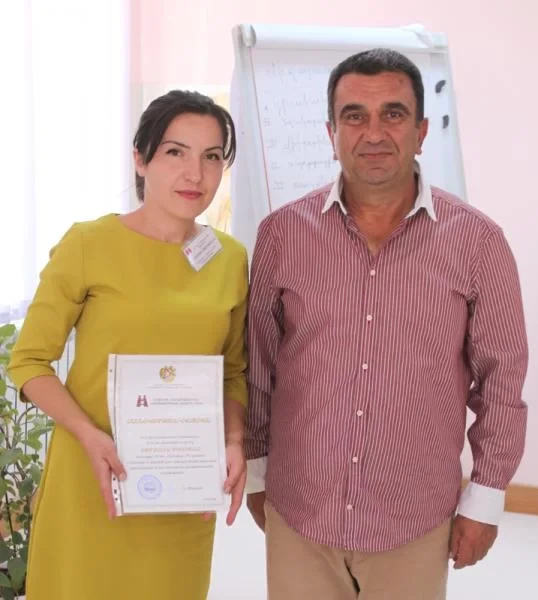
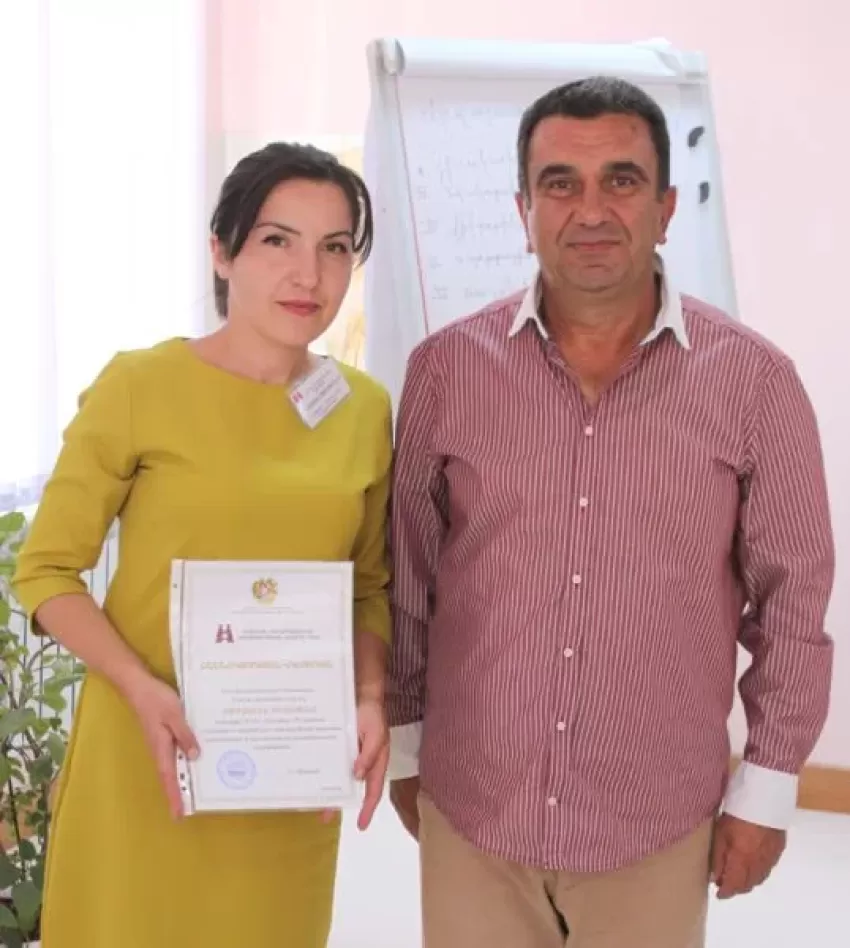
A. Minasyan, Director of the “Yntaniq” Center, congratulated the program participants and presented them with certificates of participation in the training courses.
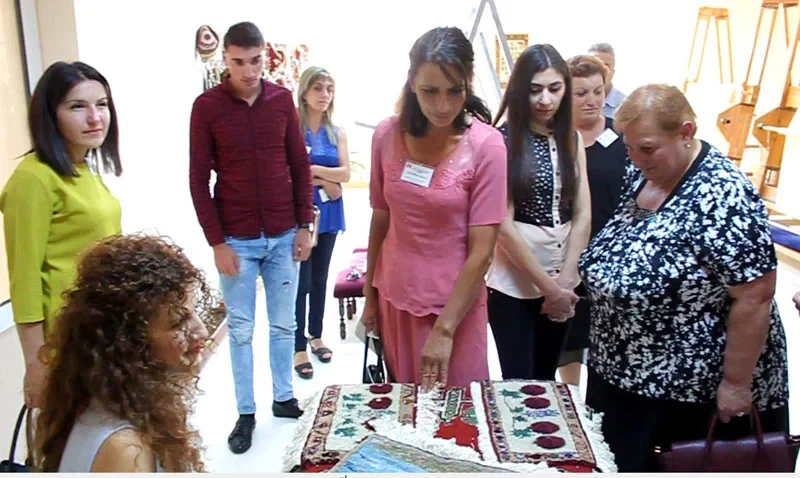
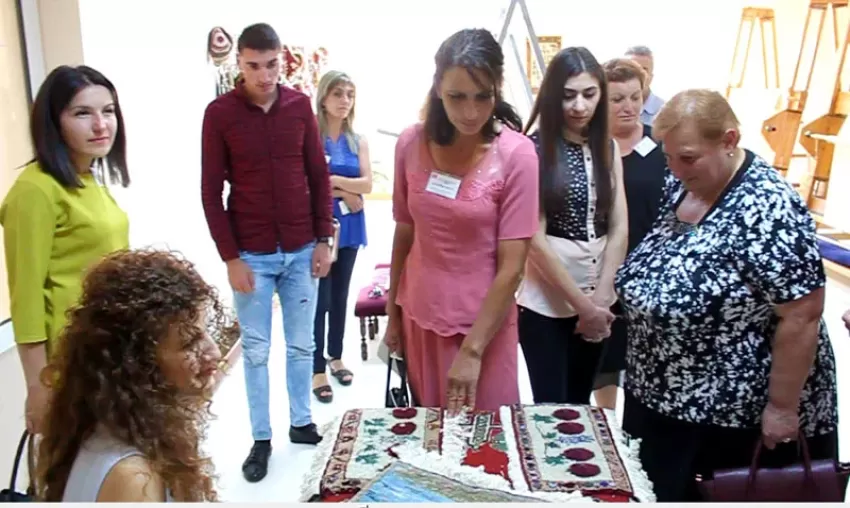
Representatives of the participating communities, educators, parents, and students attended the final exhibition-event. The guests viewed an exhibition of works jointly created by the Center’s students and adolescents from the communities as a result of the career guidance classes, as well as a video summarizing the first and second phases of the program.
The event concluded with artistic performances by the students of the “Yntaniq” Center and adolescents from the participating communities.
S. Petrosyan